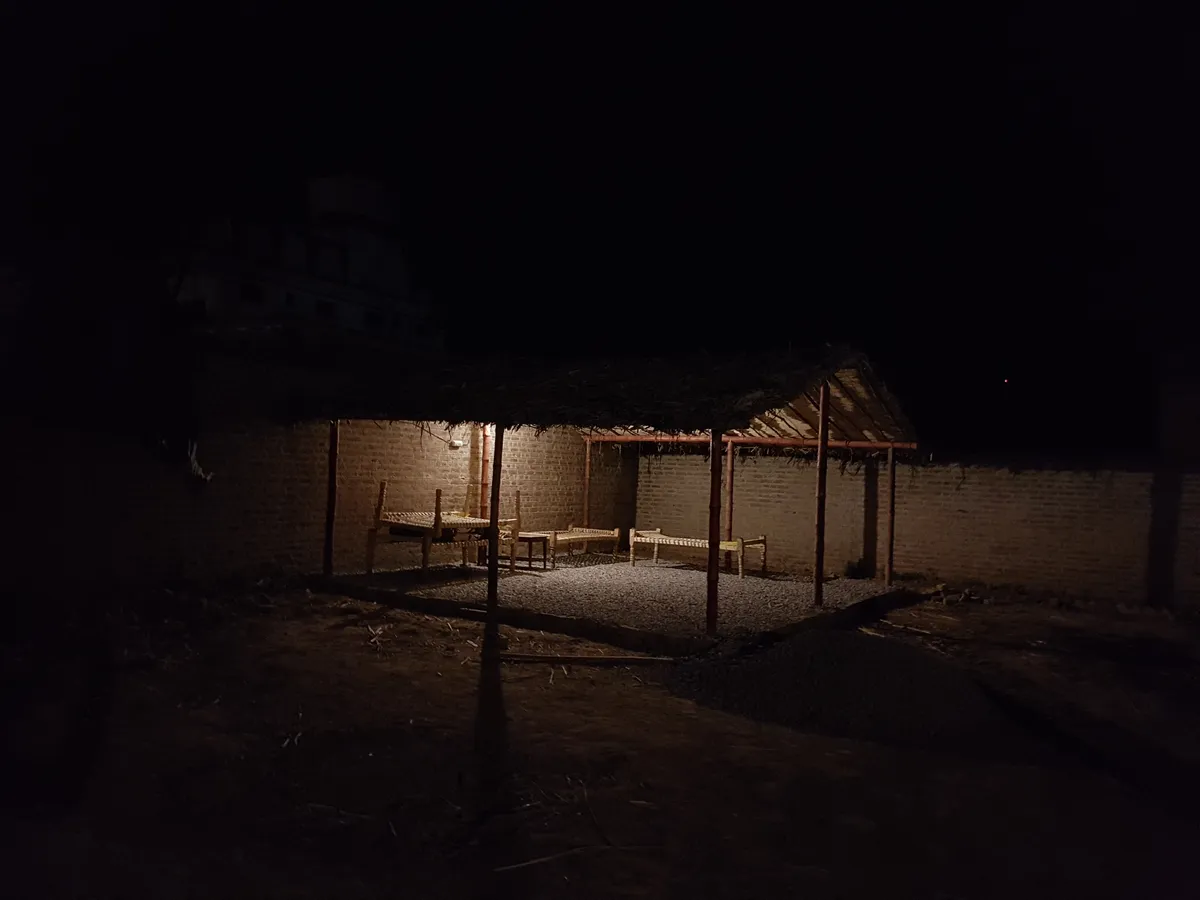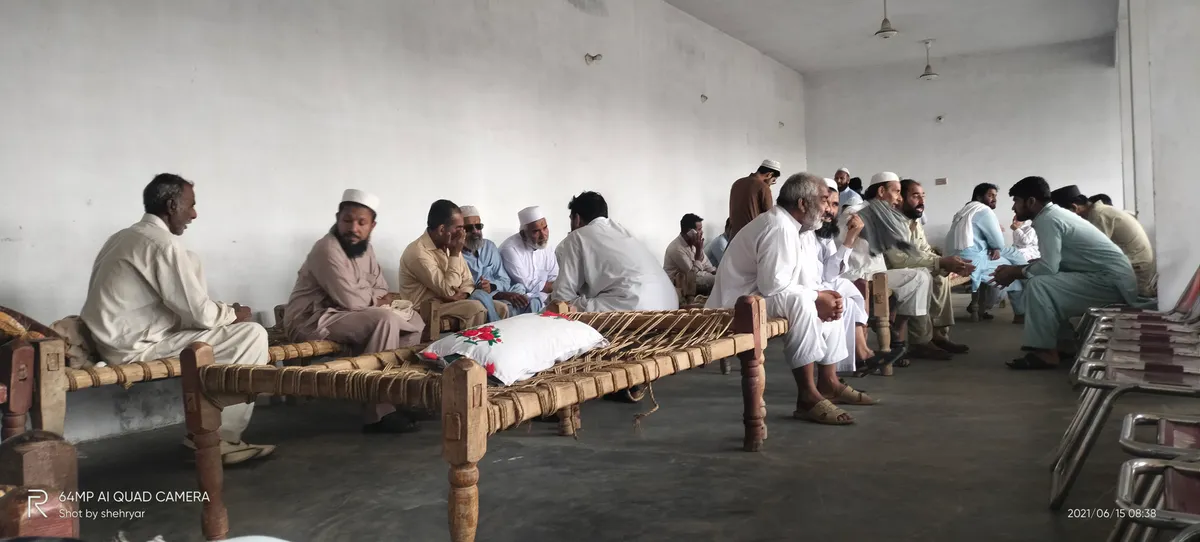
Receiving a guest and sharing an occasion
Swat and Lower Dir research describes hujras receiving visitors and hosting weddings and mourning. It also records unequal participation. These regional observations help frame questions for Darra: who receives a visitor, organises a gathering, bears its cost and can participate? Particular hosts and occasions belong in the account.
Reported
A credible source reported this, but the archive has not independently established it.Learning through company
Malakand interviews describe younger men learning conduct through conversation, friendship and hospitality. This is a regional research account, rather than a formal curriculum. A family or community's own dated testimony can show how learning through company changed across generations.
Reported
A credible source reported this, but the archive has not independently established it.When a disagreement enters a shared space
Darra jirga participants described elders visiting both parties' hujras to hear grievances. The account connects gathering and negotiation, while authority and participation require their own evidence.
Reported
A credible source reported this, but the archive has not independently established it.Continuity and disruption
Adnan Khan's Darra thesis abstract examines visits among friends, relatives and strangers and reports militancy's damage to social life. It places these ordinary relationships within the region's experience of conflict. It does not show that every gathering stopped or establish today's pattern of visits.
Reported
A credible source reported this, but the archive has not independently established it.Work can change social time
Qasam Khel interviewees reported reduced hujra and mosque attendance as mining changed village life during the study period.
Reported
A credible source reported this, but the archive has not independently established it.Building a fuller everyday record
A strong local account can identify a gathering's date, place, host, purpose and participants, with permission from those recorded. Women, young people, workers and people who could not attend can add experiences absent from an elders-only account. The contemporary life chapter follows documented opportunities in study, sport, work and public services.