


The pass in the record
A colonial account records a negotiated payment to keep the Kohat route open.
Read chapter ↗KOHAT PASS · AFRIDI HERITAGE · QASIM KHEL · ARCHIVE
A history written through
mountains, memory and resistance.
People, resistance, craft and culture. Follow a story through the mountain pass.
A place can be approached through its history, its people or its everyday life. Choose a journey; each stop is a chapter you can read at your own pace.
Begin with the place, move into everyday customs and finish with a dated view of life in Darra.
The people of Darra Adam Khel have histories older than the surviving digital archive. This chapter marks the point where documented sources become thin.
3 min readHospitality and community customs take shape through hosts, guests, families and particular gathering places. Dated research offers a way to understand those relationships while leaving room for different experiences.
4 min readStudy, work, public gatherings and household services sit alongside the pressures of an industrial town. These records offer specific windows into daily life without reducing every resident to one experience.
5 min readEnter the museum, meet the institutions, or follow the everyday culture of the pass.
Elected representation, public administration and community influence, with dated sources.
Understand the structure ↗CULTURE / EVERYDAY LIFEHujra, hospitality, language and the customs that connect people across generations.
Explore living culture ↗Darra Adam Khel lies along the Peshawar–Kohat corridor. Its history includes the pass and its communities, colonial-era conflict, craftsmanship, coal, literature, learning and daily life. This archive places the people of Darra at the center of that longer story.
Begin with the placeA colonial account records a negotiated payment to keep the Kohat route open.
Read chapter ↗A raid and hostage exchange become part of frontier history and memory.
Read chapter ↗Tahir Afridi publishes an early collection of Pashto stories.
Read chapter ↗The census records 139,839 people in Darra Adam Khel subdivision.
Read chapter ↗Select a date to inspect what the record says and where the evidence is incomplete.
A scholarly study places Qasim Ali Khan Afridi's birth in Farrukhabad and his ancestry in Akhor.
The Pashto Academy study reports his birth in Farrukhabad in 1183 AH. Its account traces his forefathers to Akhor in Darra Adam Khel. His name supplies no evidence of a Qasim Khel affiliation.
A colonial account records an agreement to keep the Kohat Pass open.
Wylly describes a payment of about Rs 5,700 a year to Adam Khel Afridis for keeping the route open. This is a colonial account of a negotiated arrangement, not evidence that the region had accepted unbroken direct rule.
Ajab Khan's party attacks Major Ellis's bungalow; Mrs Ellis is killed and Mollie Ellis abducted.
The major was absent from the Kohat cantonment bungalow. The party took seventeen-year-old Mollie Ellis toward Tirah. The archival study places this violence within a longer account of grievance and negotiation.
The transfer of power establishes Pakistan and changes the political framework of the region.
Pakistan's National Assembly records the transfer of power on 14 August 1947. This national milestone does not by itself document the local transition in every Darra Adam Khel community.
Da Mahaloonu Khwake marks an early publication in Tahir Afridi's literary career.
The scholarly bibliography dates his first collection to January 1971. English transliterations of the title vary.
A local case study dates coal discovery and a rights dispute to 1995.
The 2011 thesis studies one village spelled Qasam Khel. It should not be generalized to all of Qasim Khel Section or read as an account of current mining conditions.
Contemporary accounts report his killing by suspected or local pro-Taliban militants.
Reports place the killing in Darra Adam Khel and describe threats and accusations preceding it. Those accusations remain attributed allegations. Accounts differ on details of the location and sequence.
A study says a settlement over Qasam Khel mine rights was accepted by villagers.
Kabeer Zaman's 2011 qualitative study describes a community-managed system distributing mine income per person after the settlement. It reflects one locality and interview period.
Contemporary reporting dates the start of classes in the Darra Adam Khel area.
Dawn reported classes scheduled to start on 24 October 2016 at an early Akhurwal base. The university's institutional site identifies its Darra Adam Khel location. Present-day program counts are not inferred from this event.
The subdivision's recorded population reaches 139,839.
Pakistan Bureau of Statistics reports an area of 446 km² and a population of 139,839 for Darra Adam Khel subdivision. This is a regional snapshot, not a claim about Charg's life.
A local poetry gathering continues the named writer's place in Darra's public culture.
Associated Press of Pakistan reported a forum event in Darra Adam Khel in 2025. It does not establish a continuous institutional history back to Qasim Ali Khan's lifetime.
The featured people belong to different periods and fields. Each account is a distinct chapter with its own sources.
A Bosti Khel Afridi whose 1923 actions became a lasting frontier story. Archival research and popular retellings do not agree on every detail.
Read the profile ↗Maulana Muhammad Ameer became known through preaching, public presence and sermons that circulated on cassette.
Read the profile ↗The writer from Darra carried Pashto and Urdu literature into Karachi's working and literary worlds.
Read the profile ↗An earlier poet whose family ancestry reaches Akhor; his catalogued Urdu Diwan opens a larger manuscript legacy.
Read the profile ↗Open the profiles for source records and media links. The Charg chapter includes contributor-identified portraits with their provenance notes.
A community chapter connects official census figures with a separate village study of coal rights and local governance. The two sources describe different scales.
Colonial sources record payment, military expeditions and repeated negotiation around movement through the pass. They reflect the priorities and vocabulary of their authors.
Read the frontier history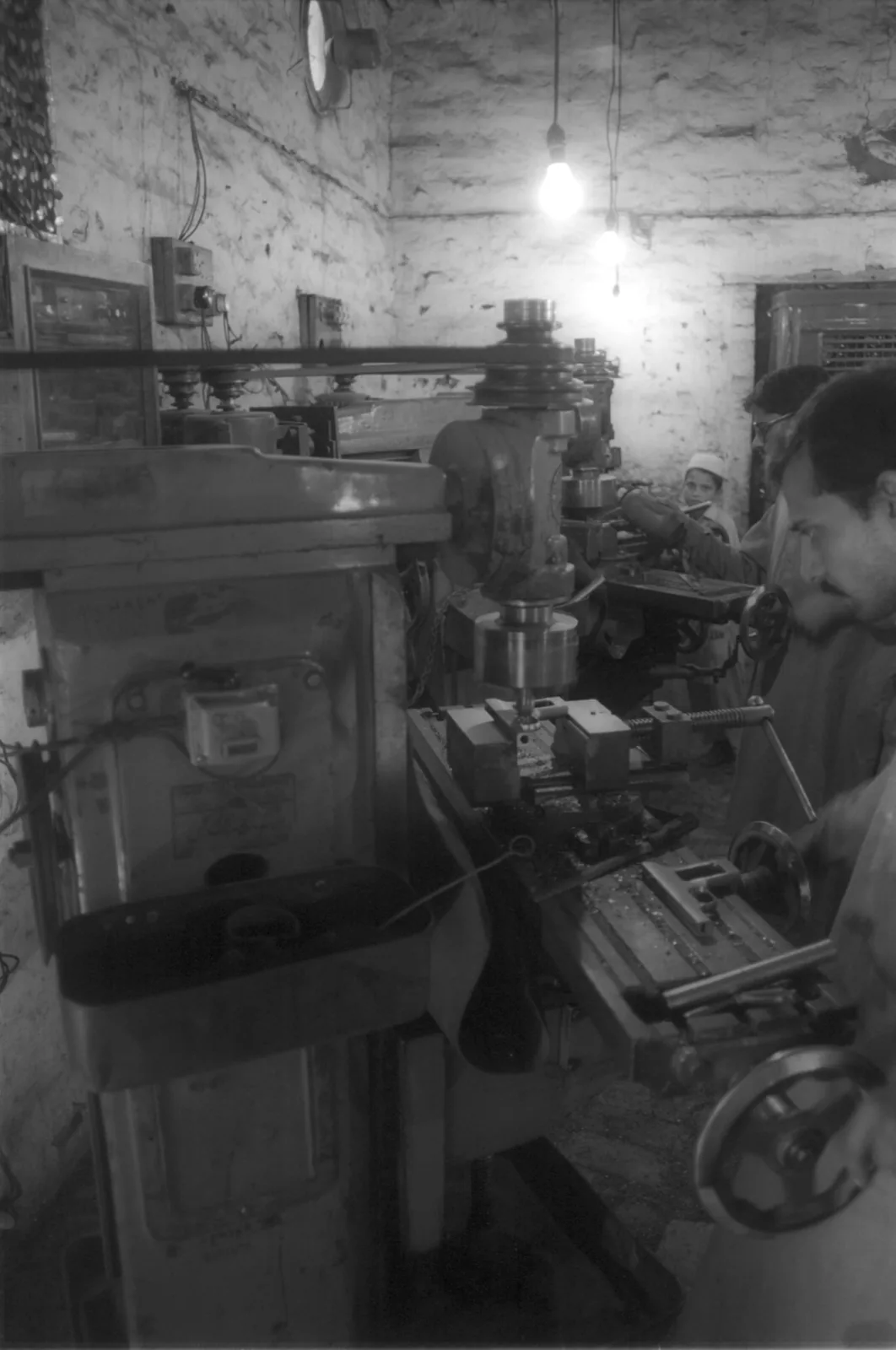
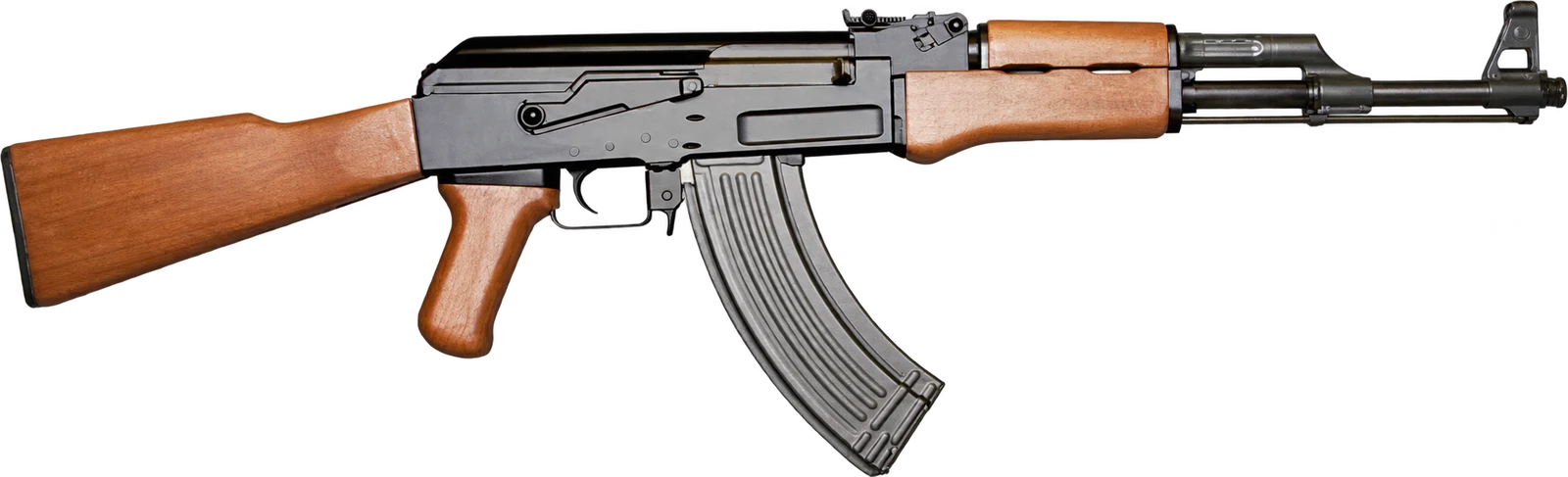
Metalworking, trade, transport and coal are part of how families have made a living around the pass. A documented maker's move from gunsmithing to rabab making shows one path of change, without standing for the whole economy.
Poetry, sermons, stories, books and public reading connect an eighteenth-century manuscript world to writers and listeners of the twentieth century and beyond.
Explore poetry and lettersFollow five connected forms of work. They overlap across time; this is an illustrated reading of the sources, rather than a measure of their shares in the economy.
Symbols describe connected work. Their positions and connecting line do not map a mine, workshop, road or institution.
2001 photograph · 2019 profile
Metalworking, repair and apprenticeship belong to Darra’s labor history. A dated workshop photograph from 2001 preserves one interior; a later Dawn profile follows one gunsmith who turned to making rababs. These records show particular working lives, rather than a count of the whole industry.
1849 colonial account
The pass gave Darra a place in the movement of people and goods between Peshawar and Kohat. A colonial account records an annual payment in 1849 to keep the road open. It documents the route’s value to the authorities who wrote it; present-day employment or sales cannot be measured from that account.
1995 discovery · 2009 settlement · 2011 study
Kabeer Zaman’s 2011 study of village Qasam Khel dates a mining-rights dispute to coal’s discovery in 1995 and a settlement to 2009. Interviewees described new jobs and spending on health, school and family needs, as well as concerns over the income committee. The study concerns one village and one period.
1961 biography · 2011 coal study
Transport, supply and repair connect livelihoods to the wider region. The Qasam Khel study describes economic changes around mining, while Tahir Afridi’s obituary records a different labor path: work in Karachi’s transport sector after moving there in 1961. His story connects a Darra origin with both earning and writing.
2016 classes · 2020 and 2023 library reports
Education and public reading add another part of Darra’s changing picture. FATA University began classes in the area in 2016, and Dawn documented a local library in 2020 and again in 2023. These dated institutional stories broaden the archive; they are not a current measure of jobs, enrolment or library membership.
Charg's death on 6 August 2007 and the confrontation that followed are part of Darra's recent history. Contemporary reports differ on casualty counts and parts of the sequence. His profile keeps allegations, eyewitness claims and confirmed facts apart.
FATA University began classes in the area in 2016. Later reporting documented a local library initiative. Both are dated glimpses of learning in Darra.
A dated reading of new public records. An announcement is the start of a story; its outcome needs its own evidence.
The official admissions portal records new merit-list entries for Government Girls Degree College Darra Adam Khel. This establishes dated admissions activity. It does not verify final student attendance, the number of graduates or how accessible study is to every household.
TESCO published a FY 2026–27 works notice covering feeder rehabilitation and village electrification in Hassan Khel and Darra Adam Khel. The stated bid deadline was 20 August. The notice is an identifiable procurement stage; a later award, completion and service improvement have not been verified in this review.
Scientific Reports published research on Akhorwal coal samples and the relationship between particle size, moisture and dust-generation potential. The authors' scope and measurement limits matter: this is research relevant to working conditions, not a new census of mines or a local disease survey.
Approximate markers show places connected to the archive. The map does not draw tribal boundaries.
The town and bazaar at the heart of this archive. The point marks the town, not the limits of Darra Adam Khel subdivision.
OpenStreetMap town record ↗Text map · choose a place
Points locate settlements or broad city centres. The dashed pass connection is schematic. Historical circles are context markers, not territorial boundaries. No tribal boundary, mine location, campus entrance or 1923 travel route is asserted.
Basemap: © OpenStreetMap contributors. Scroll zoom is off; use the map controls or the place list.
Reportage, travel television, fiction and recorded sermons need different reading. Every entry states its type, source and rights.
An editorial motif; read the linked catalogue for the actual work.
Explore manuscripts ↗Every substantive claim carries an evidence status and a path to the underlying record. Reported allegations remain allegations. Oral histories keep their witness and context. Disagreement stays visible.